How Much Does House Painting Cost in Hamilton?
The honest answer is that there is no reliable one-price-fits-all figure for painting a house in Hamilton. A single-room refresh, a full three-bedroom interior and a weatherboard exterior are completely different jobs. The final price depends on the amount of preparation, the surface area, access, the level of detail, the coating system and whether the property is occupied while the work is completed.
A useful quote should therefore explain the scope, not just show a total. Two quotes can appear to cover the same house while allowing for very different levels of filling, sanding, priming, access equipment, coats and clean-up. That is why comparing inclusions is more important than comparing the bottom-line number alone.
The quick answer For an accurate Hamilton house-painting price, the painter needs to understand the condition of the surfaces, what is being painted, how the areas will be accessed and what preparation is required. Photos can help with an initial assessment, but a site-specific written quote is the safest basis for budgeting. |
Interior and exterior painting are priced differently
Interior painting is usually scoped by rooms, walls, ceilings, trims, doors and the amount of protection required. The property may need to remain usable, furniture may need to be moved or covered, and the work may need to be completed in stages.
Exterior painting is influenced more heavily by height, scaffolding or other access requirements, weather exposure, washing, loose or failing coatings, timber repairs, primers and the number of detailed elements such as windows, fascia, soffits and decorative trim. A small two-storey exterior can sometimes require more labour and access planning than a larger single-level home.
The seven biggest factors that affect painting cost
1. Surface preparation
Preparation is often the largest variable. Sound, previously painted walls may need only light sanding and spot filling. Cracked plaster, peeling paint, stained ceilings, weathered timber or failing exterior coatings require substantially more work before the finish coats can begin.
2. Total surface area
Floor area alone does not tell the full story. Ceiling height, wall length, the number of rooms, doors, windows and trim details all affect the paintable area and labour required.
3. Height and access
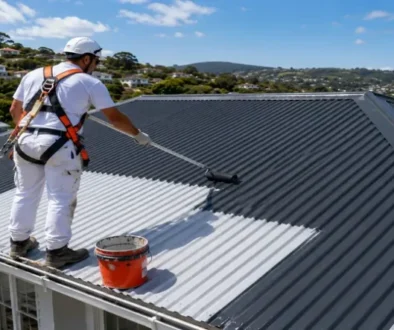
Stairwells, high ceilings, sloping sites, narrow side access and multi-storey exteriors can require specialised access equipment and additional set-up time.
4. Number of colours and finish changes
Using one wall colour throughout is generally more efficient than multiple feature colours, contrasting trims and different sheen levels. Each change adds cutting-in, masking and handling time.
5. Doors, trims and detailed elements
Skirting boards, architraves, window frames, doors, cabinetry and decorative details are labour-intensive. They may represent a relatively small area but require careful preparation and finishing.
6. Repairs and substrate condition
Painting should not be used to hide unresolved moisture, damaged plaster, rotten timber or roof leaks. Repairs may need to be completed before painting, either within the painting scope or by another trade.
7. Scheduling and occupancy
Vacant homes are usually easier to stage than occupied properties. Tight deadlines, after-hours work, furniture handling and working around other trades can also affect the final scope.
What should be included in a professional painting quote?
A written quote should make it easy to understand what you are buying. Consumer Protection New Zealand recommends providing detailed information when asking for a quote and getting the quote or estimate in writing. For painting work, the document should ideally identify:
- The rooms, elevations and surfaces included
- The preparation allowed for, including filling, sanding, scraping and spot repairs
- Any primers, sealers or specialist treatments included
- The number of finish coats or the specified coating system
- The paint type or product specification where known
- Protection for floors, furniture, landscaping and adjacent surfaces
- Access equipment such as scaffolding, platforms or lifts
- Clean-up and waste removal
- GST and payment terms
- Clear exclusions, provisional items and assumptions
Official guidance: Consumer Protection – quotes and estimates
Three common Hamilton painting scenarios
The examples below show why a site-specific scope matters. They are not price promises.
Scenario 1: A single-room refresh
A bedroom with sound walls, standard ceiling height and minimal filling is usually a straightforward job. The scope may include protecting the floor, spot filling, sanding, painting the ceiling and walls, and refreshing the skirting and door. The price rises if there are dark-to-light colour changes, damaged plaster, water stains, wallpaper removal or detailed timberwork.
Scenario 2: A three-bedroom interior
A full interior can include bedrooms, hallways, living areas, ceilings, doors, frames and trims. The condition of high-wear areas, whether the house is occupied and how the work is staged are major cost variables. A quote that includes only walls should not be compared directly with one that includes ceilings, trims and doors.
Scenario 3: A weatherboard exterior
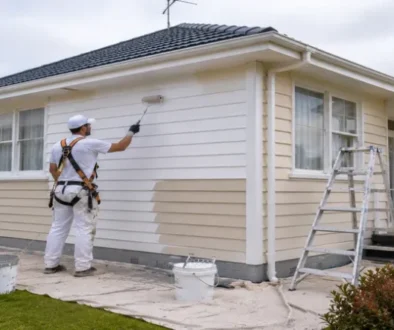
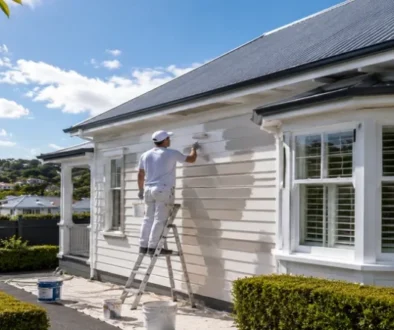
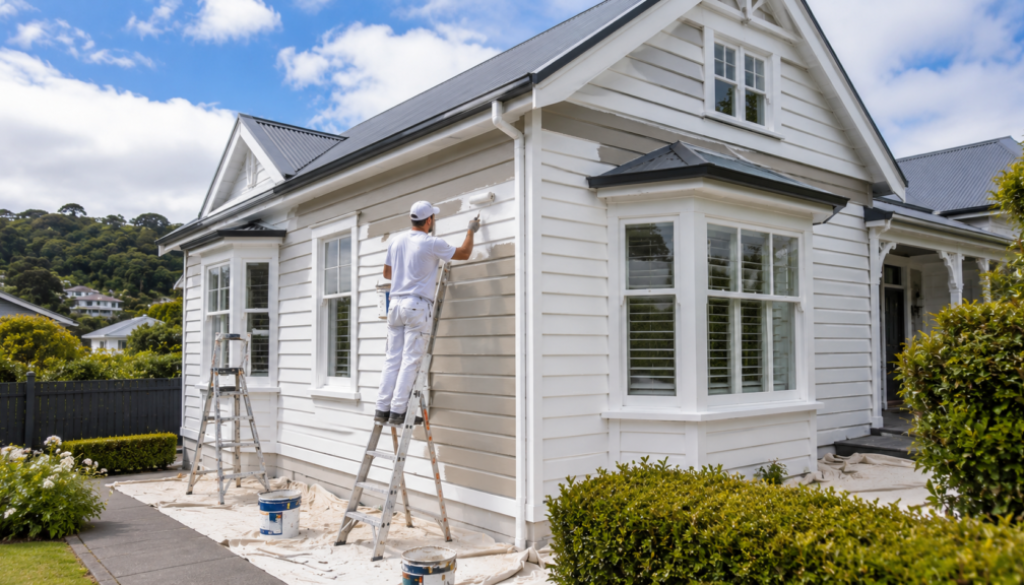
A weatherboard repaint may require washing, scraping, sanding, priming exposed timber, filling defects, treating localised mould and applying the specified finish system. Height, access, window detailing and the condition of the previous coating can change the workload dramatically.
Why the cheapest quote can be different
A lower price is not automatically a poor quote, and a higher price is not automatically better. The difference may be entirely reasonable. One contractor may have included more preparation, additional coats, access equipment, repairs or a broader surface list. Another may have excluded those items or allowed for a lighter refresh.
Ask each contractor to confirm the surfaces, preparation, coating system and exclusions. This allows you to compare like with like without relying on assumptions.
How to get a more accurate painting quote
- Provide the property address and Hamilton suburb.
- Explain whether the work is interior, exterior, roof-related or a combination.
- List the rooms or elevations you want included.
- Share clear photos showing the overall areas and any peeling, cracking, staining or damage.
- State whether the home will be occupied during the work.
- Provide your preferred timing and any deadline, such as a sale, tenancy change or renovation handover.
- Mention access restrictions, pets, landscaping or other trades on site.
Questions to ask before accepting a quote
- Exactly which surfaces are included?
- What preparation has been allowed for?
- Are repairs included or separately priced?
- What coating system and number of coats are specified?
- Is access equipment included?
- What could legitimately change the price after work begins?
- What is the expected sequence and timeframe?
House painting cost FAQs
Can I get a house-painting price from photos?
Photos can support an initial assessment, especially for a simple interior refresh. A site visit may still be needed where surface condition, access, moisture, height or repairs are uncertain.
Is interior painting cheaper when the house is empty?
A vacant property is often easier to protect, access and stage, but the final price still depends on the surfaces and preparation. Empty rooms do not remove the need for filling, sanding, priming or detailed trim work.
Does changing from a dark colour to a light colour cost more?
It can. Strong colour changes may require a suitable undercoat or additional finish coats to achieve even coverage. The actual system should be confirmed during quoting.
Should I supply the paint myself?
It is usually better to agree on the complete coating system with the painter. Product suitability, quantities, primers and compatibility all matter, and the quote should state who is supplying materials.
How can I keep the project within budget?
Prioritise the most important areas, confirm the full scope early, resolve repairs before painting where possible and avoid late colour or surface changes. A staged plan may be practical for larger homes.
Get a clear house-painting quote in Hamilton
Tell AAA Painters what you need painted, your suburb, the condition of the surfaces and your preferred timeframe. We can then confirm the appropriate next step and prepare a written scope for your property.