DIY vs Professional Painters: What’s Worth Doing Yourself Over the Holiday Break?
The holiday break is a popular time for DIY painting—long weekends, warm weather and extra daylight make it tempting to tackle home projects yourself. But not every job is as simple (or as safe) as it looks.
Wellington’s unique conditions—wind, salt air, steep sites and sudden weather changes—mean some painting tasks are better handled by professionals.
This guide breaks down which painting jobs you can DIY this summer, and which ones are best left to experienced painters.
1. When DIY Painting Makes Sense
Some projects are low risk, affordable and perfect for motivated homeowners. DIY can work well if:
- the area is small
- the surface doesn’t require specialist prep
- safety risks are minimal
- the finish doesn’t need to be flawless
Here are ideal DIY-friendly projects.
2. DIY-Friendly Painting Projects
Interior Feature Walls
A single wall is cost-effective, simple to prep and low risk.
Bedrooms & Low-Traffic Rooms
Straightforward cutting-in and rolling; easy to complete over a weekend.
Touch-Ups on Interior Trim
Skirting boards, door frames and scuff marks are manageable.
Repainting Small Furniture or DIY Decor
Perfect for summer creativity.
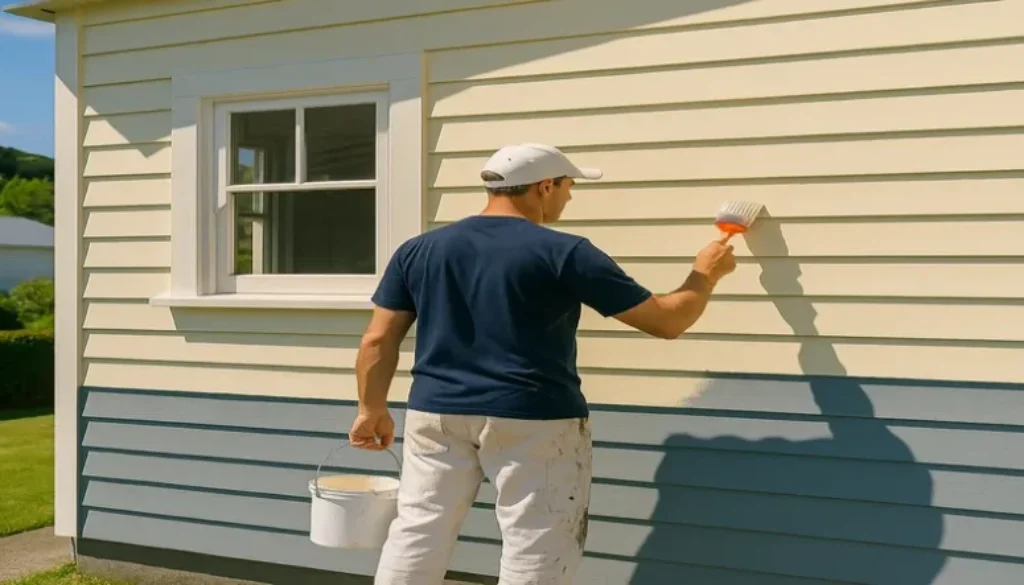
Garden Fences (If Flat Ground)
Works well as long as the fence is stable and the site is level.
3. When You Should Hire a Professional Painter
Some tasks carry safety risks, complex prep work or require a flawless finish.
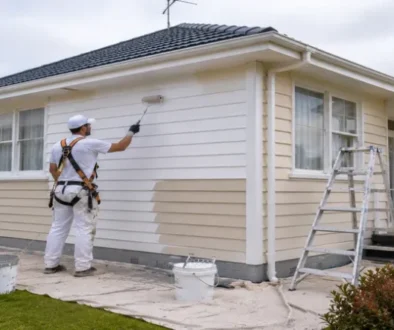
Exterior Painting on Multi-Storey Homes
Wellington’s wind and steep sections make this dangerous without proper equipment.
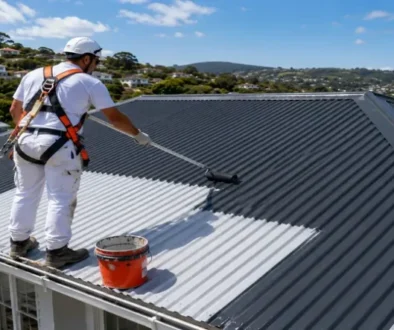
Roof Painting
Height + heat + sudden gusts = extremely high risk.
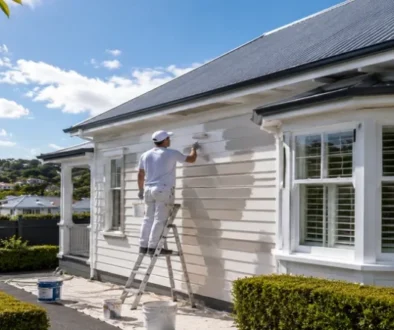
Weatherboard Restoration
Scraping, sanding, priming and repairing must be done correctly.
Full Exterior Repaints
Requires:
- professional prep
- scaffolding
- climate timing
- proper primers and paint systems
Villas & Heritage Homes
Detail painting and lead-based paint risks require expertise.
4. Why Some Painting Jobs Don’t Suit DIY in Wellington
Wellington adds extra challenges most DIY guides don’t mention.
Strong Wind
Affects spraying and drying.
Salt Air
Reduces paint adhesion if surfaces aren’t washed correctly.
UV Exposure
Causes rapid drying → streaks and lap marks.
Steep Sections & Tight Access
Increase fall risks and require specialised equipment.
Professional painters anticipate these conditions and adapt safely.
5. Cost Comparison: DIY vs Professional
DIY isn’t always cheaper.
DIY Costs:
- paint & primer
- rollers, brushes & trays
- sanding equipment
- drop sheets
- ladders or scaffolding (often expensive to hire)
Professional Costs:
- all equipment included
- industry discounts on paint
- specialist prep
- guaranteed finish
For small interior jobs, DIY makes sense.
For anything exterior or multi-level, pros are more cost-efficient and far safer.
6. Projects You Should Never DIY
- Roof painting
- Second-storey exteriors
- Asbestos surfaces
- Lead-based paint removal
- Work requiring scaffolding
If a fall or hazard is possible, DIY is not worth the risk.
7. Tips for Safe Summer DIY Painting
If you do decide to DIY, follow these:
- paint early morning or late afternoon
- avoid strong wind days
- prep surfaces thoroughly
- wear safety glasses & masks
- test colours in natural light
- protect flooring and furniture
For exterior work:
- avoid painting in full midday sun
- don’t paint if wind gusts exceed 20–25 km/h
- never work at height alone
Want a Professional Finish Before Summer Ends?
AAA Painters helps Wellington homeowners with:
- full interior repaints
- exterior & weatherboard painting
- roof painting (safe & compliant)
- pre-sale and summer refresh projects